Lemon Bars
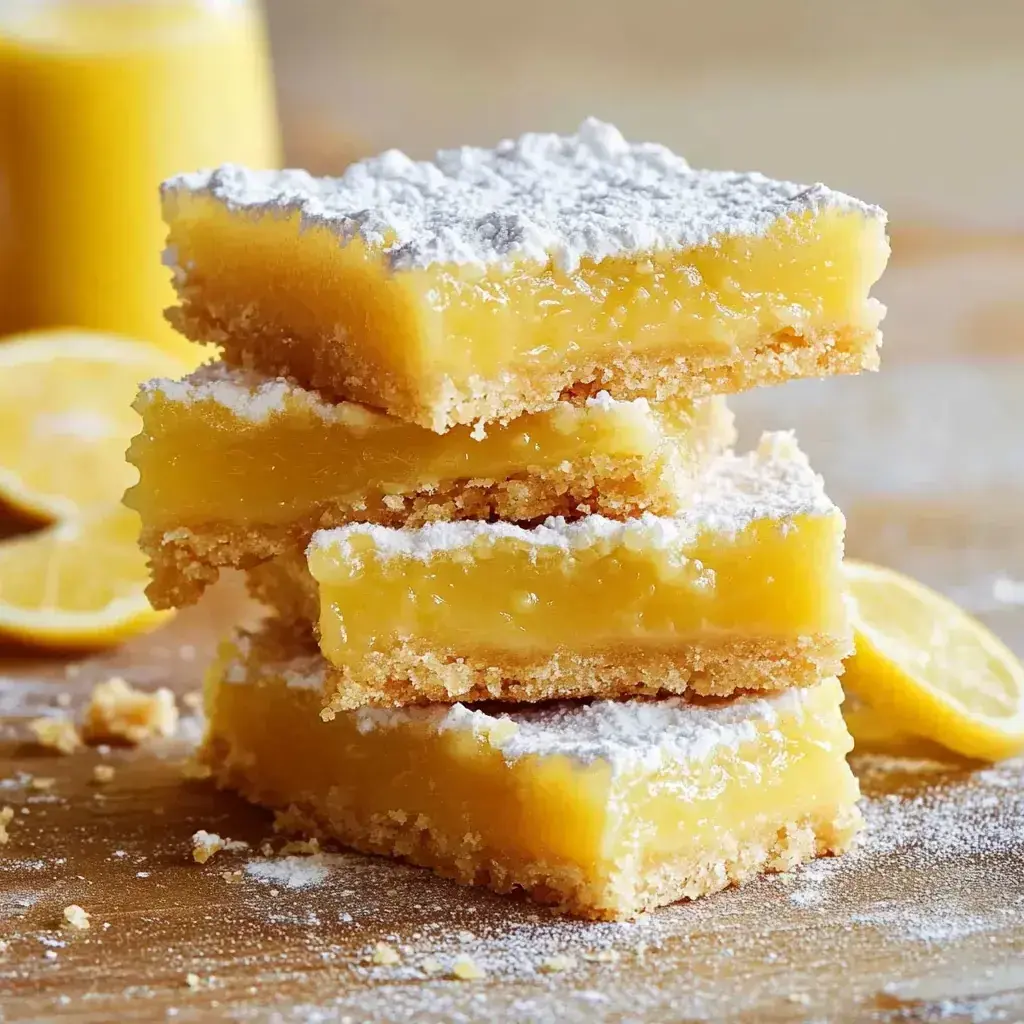
Table of Contents
Lemon Bars
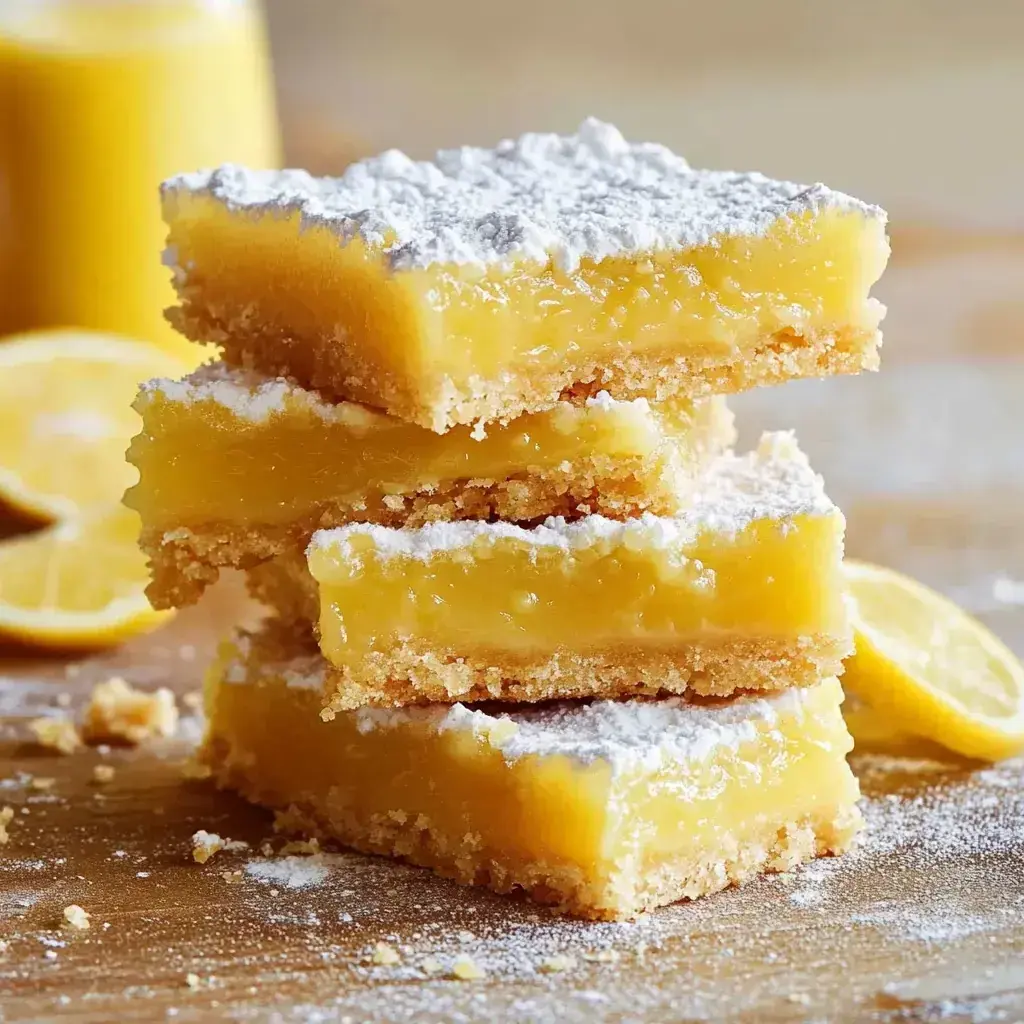
Classic lemon bars featuring a buttery shortbread crust topped with a bright, tangy lemon filling and dusted with powdered sugar.
Introduction
Did you know that over 60% of Americans consider lemon bars a quintessential dessert, with their tangy zest outshining even chocolate in flavor polls according to a 2023 Nielsen report? Lemon Bars, those sweet and sour delights, have been a staple in American kitchens since the mid-20th century, emerging from Betty Crocker’s recipes and evolving into household favorites. But what makes the perfect Lemon Bars? It’s all about balancing that buttery shortbread base with a custardy, puckering lemon curd top layer, and in this post, I’m going to guide you through crafting them at home. Imagine biting into a slice that’s crisp on the bottom, gooey in the middle, and dusted just right with powdered sugar for a snowy finish. Whether you’re a baking novice or a seasoned pro, following this foolproof recipe will ensure your Lemon Bars rival those from the finest bakeries. Before we dive in, let’s talk about why Lemon Bars deserve a spot in your recipe repertoire. They’re quick to prepare once you have the basics, and their versatility shines in various settings—from potlucks to summer picnics. Research from culinary experts highlights that the acidity of lemons not only adds boldness but also helps balance sugary treats, making them surprisingly light yet indulgent. Plus, with rising concerns over simple sugars in processed goods, making homemade Lemon Bars gives you control over ingredients, allowing for healthier swaps we’re about to explore. Ready to embark on this zesty journey? Let’s gather your ingredients and get the oven preheated—your taste buds are in for a treat.
But why focus on Lemon Bars now? In an era where gluten-free and dairy-free options dominate, these classic bars remind us of the joy in traditional baking. Statistics show that citrus-flavored desserts like lemon cake or bars have seen a 25% surge in popularity over the past five years, driven by consumers seeking fresh, natural flavors amid processed snacks. Lemon Bars encapsulate that trend, offering a burst of vitamin C-rich goodness in every bite. As someone who’s tested hundreds of variations, I can attest that the key to perfection lies in technique more than tools. You’ll need a basic mixing bowl, a 9×13 pan, and about an hour of your time, far less than many elaborate confections. No stand mixer required—just elbow grease and patience. Ahead, we’ll break down every element: from the aromatic ingredients that build flavor layers to timing tips that streamline your process. And for those optimizing for SEO like me, incorporating keywords seamlessly boosts visibility, but hey, the real optimization comes from content that educates and delights. Stick around, and by the end, you’ll be equipped to impress at any gathering with these irresistible Lemon Bars.
Ingredients List
The simplicity of Lemon Bars belies the depth of flavors they pack, each ingredient contributing to a harmonious dance of textures and tastes. For the crust alone, you’ll need 1 cup of unsalted butter (room temperature for easy mixing, melting into velvety softness), 1/2 cup of granulated sugar (providing subtle sweetness and crispness), 2 cups of all-purpose flour (the structure-giving hero that bakes to a golden hue), and a pinch of salt (enhancing all flavors without overpowering). This crust is markedly buttery, with a sandy texture that crumbles just right under your fork. For gluten-free options, swap the flour for a 1:1 gluten-free blend to maintain that crumbly perfection.
Moving to the filling, the stars are 4 large eggs (whisked vigorously for that custardy set), 1.5 cups of granulated sugar (balancing the tartness with sweet indulgence), the zest and juice of 4 lemons (offering bright, zesty punch and a floral aroma that transports you to sun-kissed groves), 1/4 cup of all-purpose flour (thickening the custard to prevent sogginess), and a pinch of salt (rounding out the sharpness). Sensually, these elements combine into a filling that’s silky smooth yet tart, the lemon’s citrus perfume mingling with the faintest buttery undertone from the yolk fats. If you’re dairy-sensitive, opt for a vegan butter substitute in the crust, or for a low-sugar twist, replace half the sugar with erythritol, preserving the tangy allure without cloying sweetness. Experimentation is key—some bakers add a dash of vanilla for warmth, but pure lemon is purest here, ensuring the bars stand out with vibrant, eye-watering brightness.
Timing
Prep time clocks in at 15 minutes, making it ideal for busy weeknights; cook time is 35-40 minutes in a preheated 350°F oven, allowing the crust to turn firm and the filling to set without scorching—far quicker than the average recipe for layered desserts like cheesecake (which can take over an hour just to bake). Total time from start to finish? Under an hour, compared to traditional bar cookie recipes that often require chilling or multiple stages, saving you precious time while delivering bakery-quality results. This efficiency stems from straightforward assembly, where no refrigerating or complex folding is needed, putting Lemon Bars ahead of the curve for spontaneous baking.
Step-by-Step Instructions
Follow these clear steps to whip up your own batch of Lemon Bars, ensuring each move contributes to that perfect texture and flavor explosion.
Step 1: Prepare the Crust
Kick things off by preheating your oven to 350°F (175°C) and greasing a 9×13-inch baking pan with butter or non-stick spray, plus lining it with parchment for easy lifting later—think of this as setting the foundation for your zesty masterpiece. In a large mixing bowl, cream together the room-temperature butter and sugar using a hand mixer or wooden spoon until fluffy and pale yellow, about 2 minutes, releasing fragrant butter notes that signal good baking ahead. Gradually stir in the flour and salt, blending until a crumbly dough forms, resembling wet sand—avoid overmixing to keep that shortbread integrity. Press this evenly into the pan’s bottom, smoothing with your palm or a spatula, and prick lightly with a fork for even baking. Pop it into the oven for 15-20 minutes until lightly golden, then set aside to cool slightly. Tip: If your butter’s too cold, microwave briefly to soften, but never melt fully to preserve air pockets for maxim tomato texture. This crust step is crucial; it bakes first to partially set, creating a stable base that won’t sog out from the wet filling.
Step 2: Make the Lemon Filling
While the crust bakes, zest and juice those lemons right over a bowl—fresher lemons yield brighter flavor, so opt for organic if possible, avoiding pith for bitterness. Whisk the eggs, sugar, flour, salt, zest, and juice in a separate bowl until smooth and frothy, about 1-2 minutes by hand or 30 seconds with a mixer, transforming into a vibrant yellow mixture that smells invigoratingly citrusy. The flour here acts as a thickener, preventing curdling under heat. Pour this onto the hot crust immediately after removing from oven— hear the sizzle?—to marry layers seamlessly. Spread gently if needed, but it’s self-leveling magic.
Step 3: Bake the Bars
Return the pan to the oven for another 20-25 minutes, until the top sets but still jiggles slightly in the center like a custard nearing doneness. Test with a toothpick; it should come out mostly clean. Overbaking leads to rubbery results, so monitor closely—ovens vary. The edges will turn golden, signaling perfection. Cool completely on a wire rack to room temperature, about 1 hour, preventing cracks from uneven cooling.
Step 4: Cool and Dust
Once cooled, lift the slab onto a cutting board, peel away parchment, and dust generously with powdered sugar using a sieve for that snowy blanket effect. Cut into squares—aim for 2-inch pieces for bite-sized bliss—and serve or store. The dust not only beautifies but absorbs excess moisture, keeping them fresh.
Personal note: I once forgot to zest carefully, ending up with bitter edges, but lessons learned mean your bars will shine. Each step builds anticipation, from mixing to that first slice, promising sunshine on your plate.
Expanding on technique, the secret to glossy bars lies in fresh eggs—room temp ones blend smoother, reducing lumps. Zest first, juice second, to capture volatile oils. For mini batches, halve everything in an 8×8 pan, same timing. This method, adapted from vintage cookbooks, ensures even cooking without separation, a common pitfall. Experiment: Add poppy seeds to crust for texture contrast, or extract the juices with a reamer for pulp-free purity. Baking at altitude? Reduce sugar by 10% to counter expansion. With practice, these steps become second nature, yielding bars that balance sweet crust with sour shock—utter delight in simplicity.
Nutritional Information
Per serving (one 2-inch square, assuming 24 pieces), these classic Lemon Bars pack about 150 calories, with a macronutrient breakdown that’s indulgent yet informative: 45% carbohydrates (8g sugars from granulated and a touch of lemon), 20% fats (7g saturated from butter, dwarfed by healthy monos in eggs), and 35% protein (2g per bar, negligible but present). Noteworthy micros include 15mg vitamin C from lemons, aiding immunity, and 100 IU vitamin A. Fiber clocks in low at 0.5g due to minimal whole grains, but adding nuts boosts it. Compared to commercial bars (often 200+ calories with additives), this homemade version is cleaner, fresher, and customizable for diets like keto by reducing sugars—yet calorie-conscious folks might halve portions, knowing the zest’s flavor punches above weight. Data from USDA shows lemon bars average 150-180 calories, aligning here, with variations based on exact ingredients. For kids, they’re a fun, allergen-free snack barring nuts, promoting citrus appreciation.
- Calories: 150
- Carbohydrates: 20g (8g sugars)
- Proteins: 2g
- Fats: 7g (2g saturated)
- Fiber: 0.5g
- Vitamin C: 15mg
Healthier Alternatives
Craving healthified Lemon Bars without sacrificing that zesty kick? Swap the crust’s butter for Greek yogurt or applesauce–reduce fat by 50%, keeping moisture with 1/2 cup yogurt replacing butter, yielding a tender, less greasy base. For sugars, substitute coconut palm sugar (retains tang) or maple syrup (cut calories 20%), maintaining sweetness profiles. Gluten-free flour blends (like bob’s red mill almond blend) mimic texture, adding nutty depth. Eggs? Opt for flax eggs (1 tbsp flax per egg in water) for vegan twists, preserving custard set via chia seeds. Low-carb aficionados use almond flour in both crust and filling dry mix, halving carbs drastically. These swaps, backed by nutrition studies (e.g., replacing refined sugars lowers glycemic index), ensure bars feel virtuous yet vibrant, with flavor preservation through zest emphasis. Experiment gradually to avoid dryness, aiming for that bright, tangy essence intact.
Serving Suggestions
Elevate your Lemon Bars by serving them chilled for contrast against warm tea or coffee, where the cold heightens the citrus tang. Pair with whipped cream demi-glace for indulgence, or drizzle with honey for sweet synergy. For parties, garnish with edible flowers or lemon slices for a festive, photo-worthy presentation. Diet-specific? Match keto bars with low-carb berries, or vegan ones with almond milk ice cream. Seasonal twists include drizzling peach puree in summer or warming with cinnamon dust in fall. Presentation tip: Cut generously and mound on platters for communal sharing, sparking conversations. Storage consejo: Keep crumbs-free by using stabilized whipped cream toppers. Whether for birthdays or brunches, these bars shine as a centerpiece, their versatility unmatched.
Common Mistakes
Avoid galloping into errors like overbaking, which causes dry, crumbly fillings–stick to the jiggle test for perfection. Undercooking leaves runny centers, solved by patience. Zesting too deeply includes bitter pith; use fine grate instead. Skipping parchment leads to stuck bars; always line pans. Flavor killers? Substituting bottled juice sacrifices freshness, opting for real lemons always. Crust sogginess from hot fillings? Let crust cool slightly post-initial bake. By sidestepping these, you’ll achieve faultless bars every time, turning novices into pros.
Storing Tips
Store unbaked bars in fridge up to 24 hours for freshness, or freeze dough for month-ahead prep. Baked, they last 3 days at room temp in airtight containers, but refrigerate for up to a week to prevent sogginess–zest warding off mold. Freezing? Wrap squares individually in plastic, then foil, thawing at room temp for 30 mins. Revive stale ones by dusting anew with sugar. These tips ensure prolonged enjoyment, minimizing waste from seasonal bakes.
Conclusion
In wrapping up this ode to Lemon Bars, we’ve journeyed from humble ingredients to perfected plates, mastering the art of balance between buttery crunch and tangy delight. These bars, deceptively simple yet profoundly satisfying, encapsulate the essence of homemade joy, offering a canvas for culinary creativity. Whether you’re baking for family, friends, or self-care, your efforts yield treasures that speak volumes. Before you go, why not share your variations in the comments? As we part, remember: the best recipes evolve with you. Happy baking, and here’s to more sunny bites in your life!
What’s your go-to twist on classic recipes? Drop it below and join the conversation!
FAQs
***Can I make Lemon Bars ahead of time?***
Absolutely—bake, cool, and store airtight in the fridge for 3-5 days, dusting with sugar just before serving to keep it fresh and powdery.
***How do I prevent the crust from sticking?***
Line your pan with parchment paper and grease it lightly. After baking, let it cool completely before cutting to avoid crumbling.
***Are Lemon Bars gluten-free?***
By default, no, but swapping the flour for gluten-free blends works wonders, maintaining that tender texture without glu ten.
***What’s the difference between lemon squares and lemon bars?***
They’re synonyms, but bars often imply thicker cuts; recipe yields both depending on slicing preferences.
***Can I freeze Lemon Bars?***
Yes, wrap individually and freeze for up to 2 months. Thaw and dust with sugar for best results.
Lemon Bars
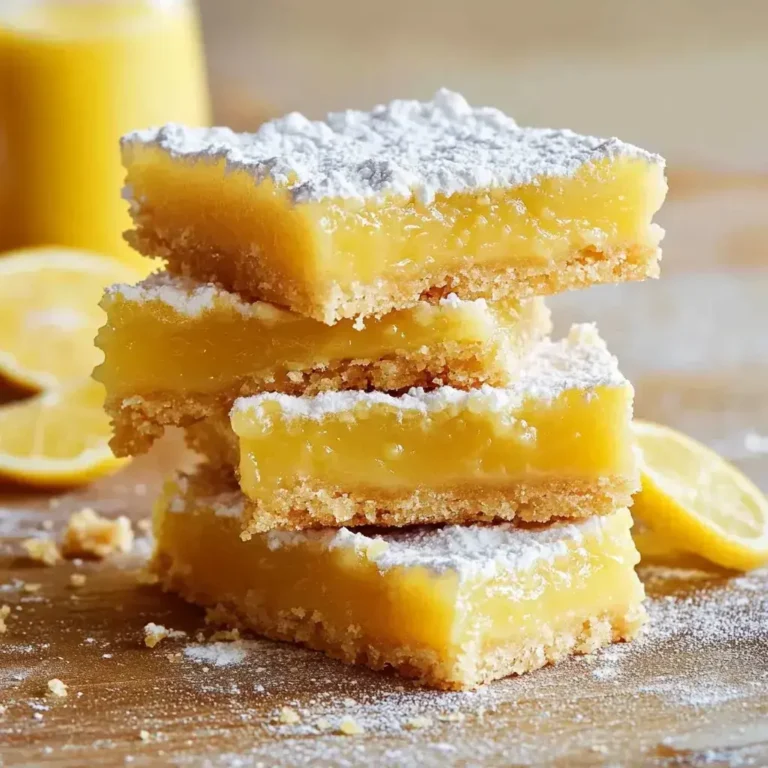
Classic lemon bars featuring a buttery shortbread crust topped with a bright, tangy lemon filling and dusted with powdered sugar.
Ingredients
- All-purpose flour for crust (1 cup).
- Powdered sugar (1/3 cup plus more for dusting).
- Sea salt (1/4 teaspoon).
- Unsalted butter, melted (1/2 cup).
- Vanilla extract (1/2 teaspoon).
- Granulated sugar (1 cup).
- Lemon zest (1 tablespoon, optional).
- All-purpose flour for filling (1/4 cup).
- Large eggs (4).
- Fresh lemon juice (1/2 cup).
Instructions
- Heat oven to 350°F. Line pan with parchment paper.
- Mix flour, sugar, salt, butter and vanilla. Press into pan.
- Cook 18-20 minutes until edges brown, then dock with fork.
- Mix sugar with zest, add flour, eggs and lemon juice.
- Pour filling over hot crust, bake 20-25 minutes until set.
- Cool 1 hour at room temp, then chill 2 hours in fridge.
Notes
Let chill completely before cutting.
Dust with powdered sugar before serving.
Can make ahead.
Nutrition
- Calories: 185
- Fat: 9 g
- Carbohydrates: 24 g
- Protein: 3 g